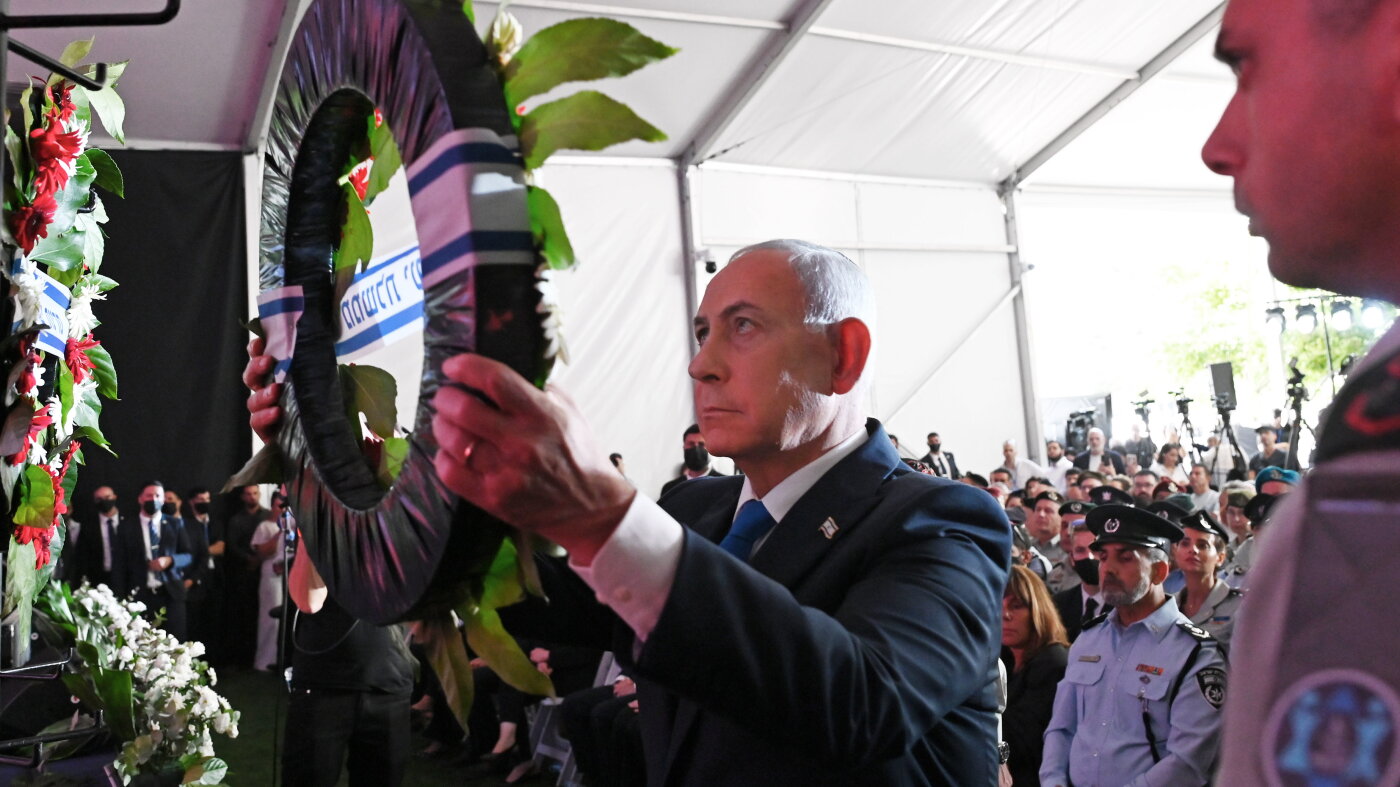
The October 7, 2026 anniversary brought back to the center of the discussion the question of what the Israeli prime minister knew before the attack. Accounts cited by NPR and France 24 refer to repeated warnings from regional allies.
France 24 reported that those identified as issuing the warnings included the United Arab Emirates and Egypt, which allegedly signaled that an imminent danger existed. The reference remains tied to the outlet’s account.
The available material does not specify the content of the warnings, when they were allegedly conveyed, or how they were delivered. For this reason, questions about the information chain remain open and do not, on their own, establish what Netanyahu knew.
France 24 reports that Netanyahu rejected the accusation that he ignored repeated warnings before the attack. The available information documents his denial, but does not establish whether he ignored or followed any indications he may have received.
According to France 24, the allegations and the issue of government responsibility have become central to the political debate ahead of elections scheduled for later in October 2026. The matter has thus become part of the election campaign, although its political impact has not yet been determined.
Ayala Panievsky, quoted by France 24, described the allegations that emerged about the period leading up to the attack as damaging to Netanyahu. The academic nevertheless also pointed to factors that could mitigate the political risk for the prime minister, including the fragmentation of the opposition and control of the main media outlets.
It therefore remains uncertain whether the debate will have political consequences for Netanyahu and what the outcome of the elections will be. The anniversary has reopened the public debate, but has not resolved the factual questions about the information available before October 7.